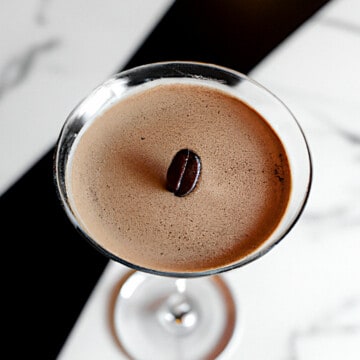
Caffeine and your metabolism

Caffeine increases the level of circulating fatty acids. This has been shown to increase the oxidation of these fuels, hence enhancing fat oxidation. Caffeine has been used for years by runners and endurance people to enhance fatty acid metabolism. It's particularly effective in those who are not habitual users.

Caffeine is not an appetite suppressant. It does affect metabolism, though it is a good question whether its use truly makes any difference during a diet. The questionable rationale for its original inclusion in diet pills was to make a poor man's amphetamine-like preparation from the non-stimulant sympathomimetic phenylpropanolamine and the stimulant caffeine. (That you end up with something very non-amphetamine like is neither here nor there.) The combination drugs were called "Dexatrim" or Dexa-whosis (as in Dexedrine) for a reason, namely, to assert its similarity in the minds of prospective buyers. However, caffeine has not been in OTC diet pills for many years per order of the FDA, which stated that there was no evidence of efficacy for such a combination.

From Goodman and Gilman's The Pharmacological Basis of Therapeutics:


Caffeine in combination with an analgesic, such as aspirin, is widely used in the treatment of ordinary types of headache. There are few data to substantiate its efficacy for this purpose. Caffeine is also used in combination with an ergot alkaloid in the treatment of migrane (Chapter 39).

Ergotamine is usually administered orally (in combination with caffeine) or sublingually [...] If a patient cannot tolerate ergotamine orally, rectal administration of a mixture of caffeine and ergotamine tartarate may be attempted.

The bioavailability [of ergotamine] after sublingual administration is also poor and is often inadequate for therapeutic purposes [...] the concurrent administration of caffeine (50-100 mg per mg of ergotamine) improves both the rate and extent of absorption [...] However, there is little correspondence between the concentration of ergotamine in plasma and the intensity or duration of therapeutic or toxic effects.

Caffeine enhances the action of the ergot alkaloids in the treatment of migrane, a discovery that must be credited to the sufferers from the disease who observed that strong coffee gave symptomatic relief, especially when combined with the ergot alkaloids. As mentioned, caffeine increases the oral and rectal absorption of ergotamine, and it is widely believed that this accounts for its enhancement of therapeutic effects.

Nowadays most of researchers believe that the stimulatory actions are attributable to the antagonism of the adenosine. Agonists at the adenosine receptors produce sedation while antagonists at these sites, like caffeine and theophylline induce stimulation, and what is even more important, the latter substance also reverse agonists-induced symptoms of sedation, thus indicating that this effects go through these receptors.

Another possibility, however, is that methylxanthines enhance release of excitatory aminoacids, like glutamate and aspartate, which are the main stimulatory neurotransmitters in the brain.

As to the side effects: methylxanthines inhibit protective activity of common antiepileptic drugs in exptl. animals in doses comparable to those used in humans when correction to the surface area is made. It should be underlined, that although tolerance develop to the stimulatory effects of theo or caffeine when administered on a chronic base, we found no tolerance to the above effects . This hazardous influence was even enhanced over time. Therefore, it should be emphasized that individuals suffering from epilepsy should avoid, or at least reduce consumption of coffee and other caffeine-containing beverages.

Comments

Are there cases of drug

Are there cases of drug addicts using methylxanthines ? Have people even considered using this as a drug ?
---
Narconon Vista Bay

Effects of Caffeine after Bariatric Surgery

I am curious as to the effects of caffeine after bariatric surgery. Since caffeine is processed in the stomach, where does it go and how does it affect the body after the stomach had essentially been removed? Is the effect less or more? Is there a danger limit after this type of surgery? I still feel the need for the caffeine for alertness, but I get very testy after ingesting it.
I was warned away from caffeine after surgery, by my surgeon, because of the (then) belief that it caused dehydration. Since the current study has debunked that myth, I felt relieved and continued drinking my espressos. Now I am hit with this irratability factor (from those I work with, and family members)& wonder if I should take another look. Any clinical evidence or links out there?

Caffeine after c-section made me testy

I had a c-section 2 months ago and recently began drinking coffee again. But then I noticed I've been getting really testy and started get sweaty and almost lose control. The thing is I was never warned this would happen. So here I am at almost 5 in the morning trying to figure out what's the connection. Although it's not a pleasent feeling it's good to know I'm not alone. What I would like to know if drinking decaf will be better considering decaf still has caffeine. And also will this ever go away. I really enjoy having my cup of Folgers to start out my day.

One thing I have done when

One thing I have done when drinking caffeine from coffee/soda is to decrease or stop drinking water. I might drink some decaffeinated drinks, but not plain water.

I usually don't notice it at 1st until I start feeling tired and strung out. If I drink plenty of water even if drinking coffee/soda I am ok.

One thing to consider is that you have spent the time, energy and money to get the surgery to improve your life. Hopefully you are now able to live more of an active life. Don't hurt yourself with something which could possibly be harmful to you. I would listen to my doctor. If he did a good job with your surgery don't you think he might just know what he is talking about?

Good luck to you.

Comment viewing options

Select your preferred way to display the comments and click "Save settings" to activate your changes.