

Explore single origins coffees from the world's premium growing regions, as well as recipes, expert brewing tips and FAQs.

The Espresso Coffee Guide groups all of the world's single origin coffees into three general regions:
Explore all the best coffees of the world and the most expensive coffees – from Bali to Zimbabwe, from the Congo to Kenya, Ethiopia to Papua New Guinea.
African
African coffees are renowned for their lively acidity and fruity flavors.
African origins like Ethiopian coffees (Sidamo and Yirgacheffe) and Kenyan coffees tend towards more earthy and citrus flavors and are generally considered some of the best in the world.
See more Arabian and African Coffees
Indonesian
If you're looking for earthy, bold coffees, Indonesia is where you want to source from.
Indonesian countries produce those with heavy spices, including Sumatra Mandheling coffee and Sulawesi Toraja coffee.
See more Asian, Indonesian, and Pacific Coffees
South American
South American coffees are known for their smooth, nutty flavors that work in any roast, from a light through an espresso.
South American origins like Colombia coffees and Brazil coffees have milder flavours and are best suited for those who like a smooth drinking coffee, while Central American like Costa Rica coffees, El Salvador and Guatemalan coffees are more bright and acidic.
See more Central and South Americas
Coffee tasting and coffee reviews
Read about the exotic Arabica coffee's flavors, aromas, acidity, tastes, body and other distinguishing characteristics particular to each coffee from all of the world's coffee-producing countries.
While each country will have its distinctive characteristics, some regions do share common characteristics.
Coffee farming and processing
Also included is information about all of the major green coffee growing regions and coffee processing methods as well as recommended roast profiles for particular gourmet coffees.
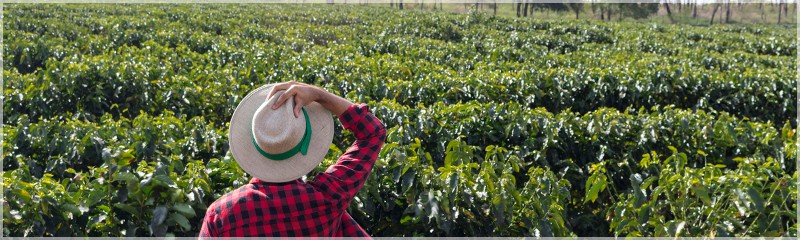
Learning the nuances of the farming and processing is always interesting, but coffee beans are best chosen based on flavor and natural preferences rather than processing methods. The farmers and local co-ops in each country use whatever method is most prevalent in the region and culturally accepted - often passed down for generations through families.
Each method of farming, harvesting and processing can produce great quality coffees and the diversity is what makes it so interesting.
Prices for coffee beans vary between origins, within a single country and even year-to-year. These fluctuations mean that coffee prices are always changing , and while generally tied to quality, can sometimes be the result of shortages. Keep on top of both roasted and green coffee prices.
More great coffee information can be found in All About Coffee which covers all aspects of coffee from soil to sip. This includes coffee plants and green coffee beans from the coffee cherry, and full descriptions of all of the world's top gourmet coffee beans including Organic Coffee, Fair Trade Coffee, Bird Friendly Coffee and Shade-Grown Coffee.
Then test your newfound knowledge with our coffee trivia!
Recent
Check out what's new around here:
And what has been recently updated:
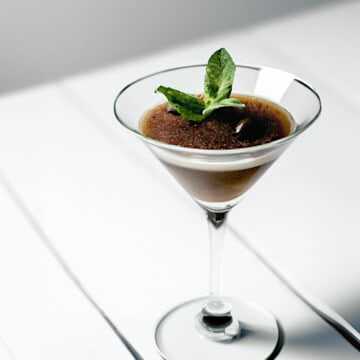
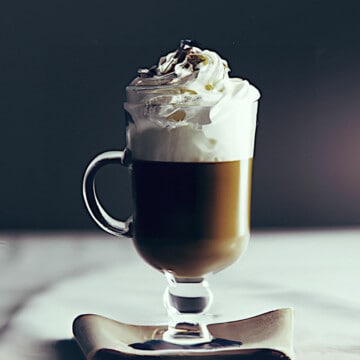
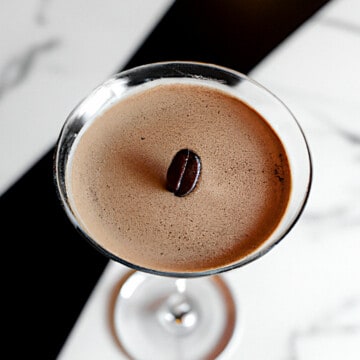
Espresso drinks and recipes
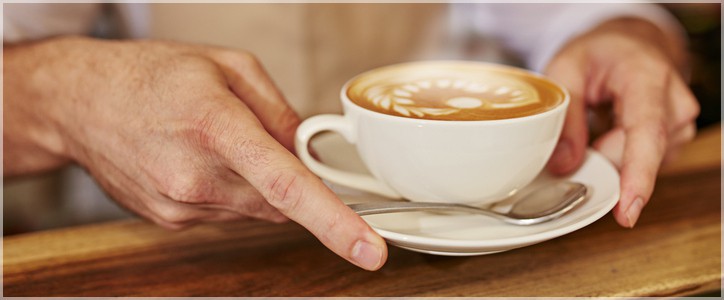
The key to a great coffee and espresso that is compatible with your espresso maker is to buy coffee fresh roasted - never one that's been sitting on a store shelf for months.
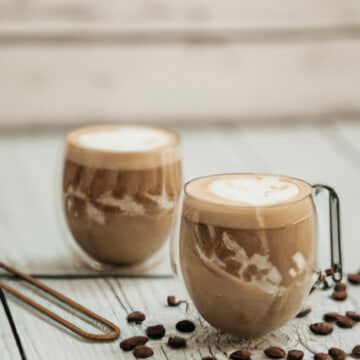
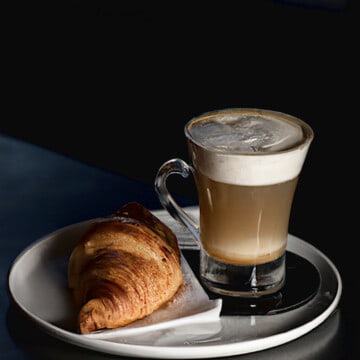
The longer a coffee sits after roasting, the more off-gassing (CO2 escaping) occurs, which will reduce the overall volume of crema.
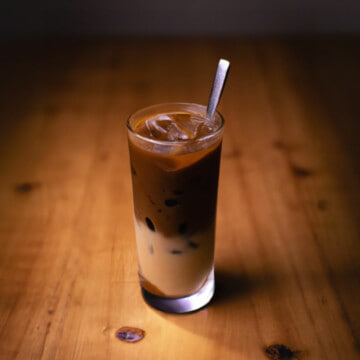
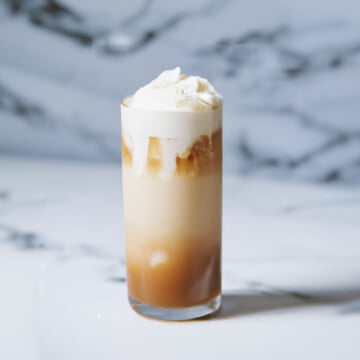
Learn about perfect espresso brewing along with tips on Pulling A Perfect Espresso Shot and Steaming and Frothing Milk as well as Espresso Drink Recipes, Alcoholic Coffee Drink Recipes and calories in coffee drinks. Learn the most popular drinks from cafes like Starbucks, such as:
You may also need to know how much caffeine is in a cup of coffee.
Equipment
Whether you're looking for tips for your current coffee maker, or looking to buy a new piece of equipment, we've got you covered with all types of equipment including:
- Drip coffee makers
- Coffee percolators
- Stove top coffee makers
- French presses
- Espresso machines
- Cold brewing
We have a full set of FAQs dedicated to caffeine!
Also check out the most comprehensive Coffee Terms ever written, and also the World's Best History of Coffee.
Buy Gourmet Coffee Beans
- ✔️ Fresh roasted to order
- ✔️ 100% high qualtiy Arabica coffee
- ✔️ Custom grind (or whole bean)
- ✔️ 1-way valve, laminate bag (for freshness)
- ✔️ Bulk discounts
Robert London
Hi, I hope I'm in the right place for this. I live here in the USA but my wife runs a facility in Norway. I'm interested in your products. DO you have an online catalog? Could you get back to me with your best pricing and availability. Just to let you know, they would be picked up by a carrier that shipped to my wife previously after I pay for them and when the order is ready. I look forward to your timely response.
Sincerely,
Robert.
Ted Schmidt
There are many great tasting coffees from around the world and yes, I'm partial to Panamanian coffee because that is what we sell. People are familiar with Hawaiian Kona and Jamaican Blue Mountain so we are on a mission to get Panama coffee known on the same level because it is worthy having won numerous international cupping contests.
David
What coffee brands are recommended from Panama?